
Ford Engine Technology and Long-Term Performance Insights
Ford engines have played a defining role in the automotive industry for decades, shaping expectations around power, durability, and innovation. From compact commuter cars to heavy-duty trucks and high-performance vehicles, Ford has developed engines that cater to an exceptionally broad audience. Understanding how Ford engines are designed, how they age, and how to maintain them properly is essential for drivers who want dependable performance and long-term value. This detailed guide explores Ford engine architecture, performance behavior, reliability trends, and ownership considerations based on real-world operation.
Ford’s approach to engine development emphasizes adaptability and continuous improvement. As regulations, consumer demands, and technology evolve, Ford engines have transitioned from purely mechanical systems to highly integrated, electronically managed powertrains. This evolution makes informed maintenance and monitoring more important than ever.
Ford’s Engine Design Philosophy and Engineering Approach
Ford’s engine philosophy centers on achieving strong performance without sacrificing everyday usability. Engineers aim to deliver engines that perform consistently across varying conditions, whether under light commuting loads or heavy towing demands. This balance is achieved through modular engine platforms, advanced materials, and conservative tuning that prioritizes durability.
Many Ford engines share design elements across different vehicle classes, which simplifies production and servicing. Aluminum engine blocks, advanced cooling passages, and optimized combustion chamber designs reflect Ford’s focus on efficiency and thermal management. These design choices contribute to engines that are responsive yet capable of handling long service lives when maintained correctly.
Major Ford Engine Families and Their Applications
Ford has introduced several engine families that have become benchmarks in their respective segments. The EcoBoost lineup represents Ford’s push toward smaller, turbocharged engines that deliver strong power with improved fuel efficiency. These engines are widely used across sedans, SUVs, and trucks, demonstrating their versatility.
Traditional naturally aspirated V6 and V8 engines continue to play a significant role, particularly in trucks and performance models. These engines are valued for their torque delivery, mechanical simplicity, and proven reliability. Inline four-cylinder engines serve as efficient workhorses for daily drivers, offering balanced performance and lower operating costs.
Performance Characteristics of Ford Engines
Performance in Ford engines is often described as confident and predictable. Throttle response is tuned to feel natural rather than aggressive, which enhances drivability in everyday conditions. Turbocharged engines provide strong mid-range torque, making acceleration smooth without excessive strain.
In trucks and utility vehicles, Ford engines are calibrated for sustained loads. Towing and hauling performance relies heavily on torque availability and thermal stability. Ford’s emphasis on cooling efficiency and transmission integration ensures that engines maintain consistent output under demanding conditions, reducing stress-related wear.
Reliability Patterns and What Owners Should Expect
Reliability remains a key consideration for Ford owners. Many Ford engines achieve high mileage milestones when serviced properly, but reliability varies by engine family and usage patterns. Some engines are known for specific concerns, such as timing component wear, carbon buildup in direct-injection systems, or turbocharger maintenance requirements.
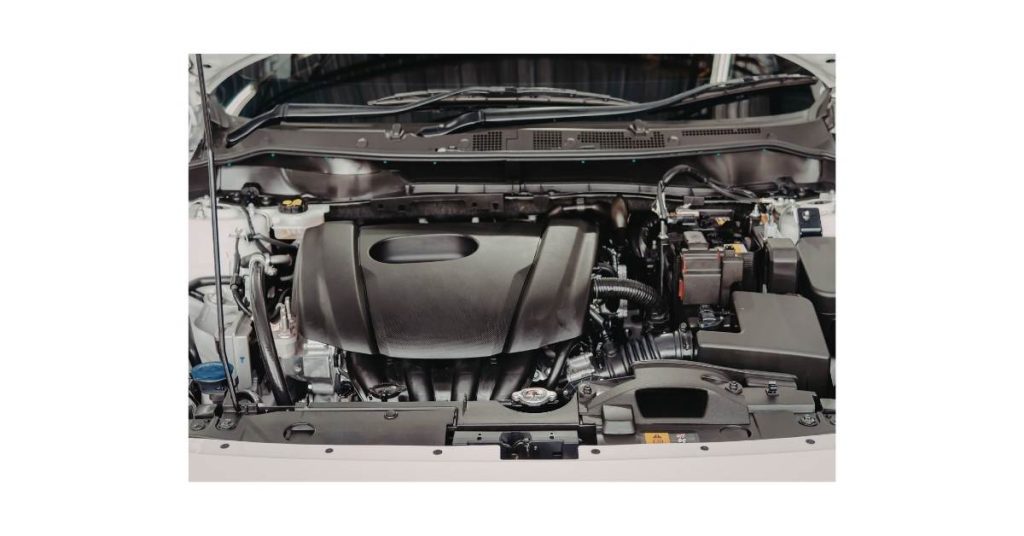
Understanding these patterns allows owners to be proactive. Regular inspections and attention to early warning signs significantly reduce the likelihood of major failures. Reliability is not solely determined by design but by how closely maintenance practices align with real-world operating demands.
Lubrication, Oil Quality, and Engine Longevity
Lubrication plays a central role in Ford engine health. Engine oil reduces friction, stabilizes operating temperatures, and captures wear particles. Using the correct oil specification recommended by Ford is critical, especially for turbocharged engines that operate under higher thermal loads.
Oil degradation, contamination, or extended change intervals can accelerate internal wear. Monitoring oil condition provides insight into combustion efficiency and component health. Engines that receive consistent lubrication care tend to exhibit smoother operation and slower performance decline over time.
Cooling Systems and Thermal Management
Ford engines rely on efficient thermal management to maintain performance and prevent damage. Cooling systems are designed to regulate temperature precisely, ensuring optimal combustion and emissions control. Any disruption in coolant flow or heat dissipation can lead to overheating and long-term reliability issues.
Routine checks of coolant levels, radiator condition, hoses, and thermostats help maintain stable operating temperatures. Engines that operate within their intended thermal range experience less stress on seals, gaskets, and internal components, directly contributing to extended service life.
Identifying Early Signs of Engine Trouble
Early detection is one of the most effective ways to protect a Ford engine. Subtle changes such as rough idle, reduced fuel economy, delayed throttle response, or unusual sounds often indicate developing issues. Modern Ford engines may compensate electronically, masking problems until they become severe.
Evaluating performance data, sensor readings, and oil condition provides a clearer picture of engine health. Addressing issues at this stage is typically far less costly than waiting for visible failure. A data-informed approach minimizes guesswork and improves repair accuracy.
Maintenance Strategies for Different Driving Conditions
Ford engines operate under a wide range of conditions, from stop-and-go city driving to long highway commutes and heavy-duty work. Each usage pattern affects engine wear differently. Short trips may increase condensation and oil contamination, while towing places sustained stress on internal components.
Adjusting maintenance intervals based on actual usage improves outcomes. More frequent oil changes, cooling system inspections, and performance evaluations are often beneficial for engines exposed to harsh conditions. Tailored maintenance strategies align service practices with real-world demands rather than generic schedules.
Ownership Costs and Service Accessibility
One of the advantages of Ford engines is the accessibility of service and parts. Ford’s extensive dealer network and widespread technician familiarity help keep maintenance and repair costs competitive. This accessibility reduces downtime and supports long-term ownership confidence.
Ownership costs are also influenced by engine complexity. Naturally aspirated engines generally have lower long-term costs, while turbocharged systems may require more attentive care. Understanding these differences helps owners plan realistically for future maintenance expenses.
Evaluating Used Ford Vehicles and Engine Condition
When purchasing a used Ford vehicle, engine evaluation is a critical step. A clean exterior or smooth test drive does not guarantee internal health. Reviewing maintenance records, listening for irregular noises, and assessing performance consistency provide initial insights.
More advanced evaluations include oil analysis and performance trend review. These methods reveal wear patterns and operating efficiency that are not visible during a brief inspection. Buyers who prioritize engine assessment reduce the risk of unexpected ownership costs.
Technology, Data, and Modern Ford Engine Care
Modern Ford engines generate extensive diagnostic data through onboard systems. Interpreting this data correctly allows for precise maintenance planning and early issue detection. The shift toward data-driven care represents a significant advancement over traditional reactive maintenance models.
Resources such as the Ford-focused insights available through Engine Auditor support this approach by consolidating technical knowledge and real-world patterns. Leveraging these insights helps owners and professionals make informed decisions based on evidence rather than assumptions.
Performance Upgrades and Their Long-Term Impact
Performance upgrades are popular among Ford enthusiasts, particularly for turbocharged and V8 engines. While Ford engines often tolerate moderate modifications, increased power output places additional stress on internal components, cooling systems, and lubrication.
Evaluating engine condition before and after modifications is essential. Supporting upgrades may be necessary to maintain reliability. Responsible modification practices balance performance gains with mechanical longevity, ensuring that enhancements do not shorten engine life unnecessarily.
Environmental Efficiency and Emissions Considerations
Ford engines are engineered to meet stringent emissions standards while maintaining usability. Emissions systems depend on precise engine operation, making maintenance even more critical. Poor combustion efficiency or sensor inaccuracies can increase emissions and reduce fuel economy.
Well-maintained engines operate more cleanly and efficiently. This alignment between performance and environmental responsibility underscores the importance of consistent care. Efficient engines benefit owners through lower fuel costs and contribute to reduced environmental impact.
Building Confidence Through Knowledge and Monitoring
Long-term confidence in Ford engine ownership comes from understanding how engines behave over time. Knowledge enables owners to recognize early warning signs, plan maintenance intelligently, and avoid unnecessary repairs. Monitoring engine health transforms ownership from reactive to proactive.
By combining consistent service practices with data-informed evaluation, Ford engines can deliver reliable performance well beyond average expectations. Platforms like Engine Auditor reflect the growing role of structured insight in modern engine care, helping owners protect one of the most critical components of their vehicle.
Ford engines continue to evolve, but the fundamentals remain the same. Informed maintenance, realistic expectations, and early intervention are the keys to unlocking long-term performance, reliability, and value from any Ford powertrain.